Planning meals from pantry staples is a fantastic way to save time, reduce food waste, and keep your grocery budget in check. Whether your pantry is stocked with canned goods, dried grains, or spices, these ingredients can be the foundation of many tasty and satisfying dishes. This guide will help you make the most of what you already have, ensuring you always have a plan for meals without last-minute shopping trips.
Why Plan Meals from Pantry Staples?
Having a meal plan based on pantry staples offers several benefits:
– Convenience: You can whip up a meal quickly since ingredients are always on hand.
– Cost savings: Relying on pantry staples reduces impulse buys and eating out.
– Less waste: Using what you have means fewer unused ingredients going bad.
– Creativity: Staples can be the base for a variety of dishes, encouraging diverse cooking.
Step 1: Take Stock of Your Pantry
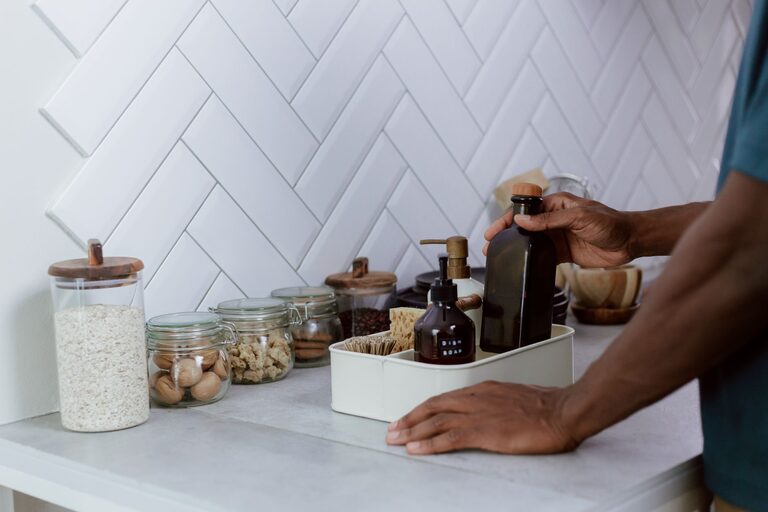
Before you start planning meals, it’s important to know exactly what you have. Spend some time organizing your pantry and making a list of staples such as:
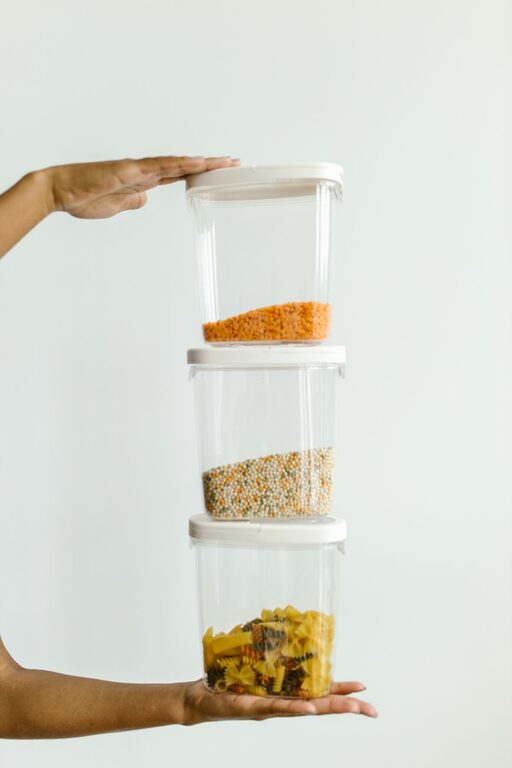
– Grains: Rice, pasta, quinoa, oats, couscous
– Legumes: Canned beans (black, chickpeas, kidney), lentils, dried beans
– Canned goods: Tomatoes, vegetables, broths, tuna, coconut milk
– Baking essentials: Flour, sugar, baking powder, yeast
– Oils and vinegars: Olive oil, vegetable oil, balsamic vinegar
– Spices and herbs: Salt, pepper, oregano, cumin, paprika, cinnamon
– Other staples: Nut butters, honey, soy sauce, nuts, dried fruits
Having this clear list helps you plan meals without guessing what’s available.
Step 2: Identify Your Meal Goals
Ask yourself what kind of meals you want to prepare. Do you prefer quick weeknight dinners, meals for the whole family, or something to take for lunch? Setting clear goals will guide your planning. For example, if you want fast meals, focus on recipes with minimal cooking time and fewer steps.
Step 3: Focus on Flexible Recipes
Some recipes are naturally adaptable to pantry staples. Here are a few ideas you can customize:
Soups and Stews
– Use canned beans, tomatoes, and broth as a base.
– Add spices and frozen or fresh vegetables.
– Lentil or bean soups are hearty and nutritious.
Pasta Dishes
– Combine pasta with canned tomatoes, olive oil, garlic, and herbs.
– Add canned tuna or beans for protein.
– Sprinkle with grated cheese or nuts for extra flavor.
Grain Bowls
– Cook rice, quinoa, or couscous.
– Top with sautéed or roasted vegetables, beans, nuts, and a dressing made from pantry oils and vinegar.
Stir-Fries and Curries
– Use canned coconut milk or broth for sauces.
– Add canned vegetables or legumes.
– Flavor with soy sauce, ginger, garlic, and spices.
Baked Goods and Snacks
– Use flour, sugar, and baking powder to make quick breads or muffins.
– Combine nuts, dried fruits, and oats for homemade granola or energy bars.
Step 4: Plan Your Weekly Menu
With your pantry inventory and meal ideas, draft a weekly menu. Aim to:
– Use ingredients across multiple meals to avoid waste.
– Balance protein, vegetables, and carbohydrates.
– Include a mix of fresh and pantry-based ingredients if available.
Here’s an example for a day:
– Breakfast: Oatmeal with dried fruits and nuts
– Lunch: Chickpea salad with canned beans, olive oil dressing, and spices
– Dinner: Pasta with tomato sauce, canned tuna, and sautéed spinach
Step 5: Prepare and Store Staples for Easy Cooking
Consider batch cooking or prepping some staples to streamline meals:
– Cook large portions of grains or beans and store in the fridge or freezer.
– Chop and freeze vegetables when you have fresh ones on hand.
– Prepare dressings or sauces in advance.
Bonus Tips for Success
– Keep your pantry organized: Label containers and rotate stock using older items first.
– Experiment with spices: They can turn simple ingredients into flavorful meals.
– Adjust recipes: Don’t be afraid to swap ingredients based on what you have.
– Use apps or journals: Track what you use and note favorite pantry-based recipes.
Conclusion
Planning meals from pantry staples is a smart and rewarding way to make cooking easier and more enjoyable. With a well-stocked pantry, some creativity, and a little planning, you can create a variety of delicious meals without stressing about last-minute grocery runs. Start by taking stock, choosing flexible recipes, and planning your weekly menu — your future self will thank you!