Paper clutter is a common challenge in many households. From mail and receipts to school papers and manuals, it can quickly accumulate and create a messy environment. Fortunately, reducing paper clutter doesn’t have to be overwhelming. With some straightforward habits and simple systems, you can keep your home organized and free from unnecessary stacks of paper.
Why Reduce Paper Clutter?
Paper clutter can impact more than just the look of your living space. It can:
– Increase stress by making it harder to find important documents
– Reduce productivity when you waste time sorting through piles
– Create fire hazards if papers accumulate near electrical outlets or appliances
– Contribute to dust and allergens in your home
By managing paper effectively, you create a calmer, cleaner, and more efficient environment.
Start With a Paper Audit
Before organizing, take a moment to assess the types of paper that tend to accumulate in your home. Common categories include:
– Incoming mail (bills, advertisements, invitations)
– Receipts and warranties
– Schoolwork and kids’ artwork
– Manuals and instructions
– Important documents (birth certificates, tax papers)
– Magazines and newspapers
Knowing what you’re dealing with helps you create a tailored system that suits your needs.
Create a Simple Sorting System
Designate a central spot where all incoming paper goes initially—this could be a basket, tray, or wall-mounted sorter near your entryway or kitchen. Sort papers into categories such as:
– Action items (bills to pay, RSVP cards)
– To file (important documents, manuals)
– To read (magazines, flyers)
– To toss (junk mail, expired coupons)
Assign a regular time each week to process this paper pile. This habit prevents buildup and keeps your system manageable.
Digitize When Possible
Reducing physical paper starts with going digital:
– Opt for electronic billing and statements from banks and utility companies
– Use apps to scan and store receipts and important documents
– Sign up for digital subscriptions for magazines and newsletters
Having digital copies reduces the need to keep paper versions. Just be sure to back up your files and keep them organized on your device.
Set Up a Filing System That Works
For papers that must be kept, a well-organized filing system is essential. Start with:
– Clear folders or binders labeled by category (taxes, medical, warranties)
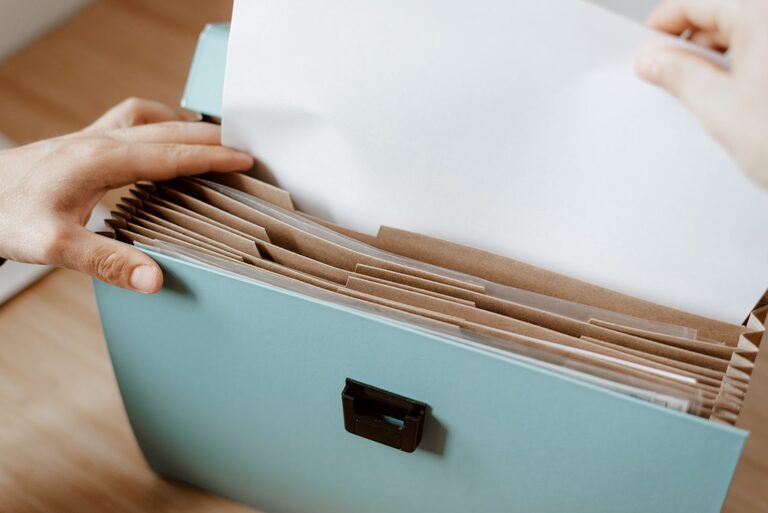
– A dedicated filing cabinet or portable file box
– Color coding or tabs for quick reference
Keep your filing system simple and easy to maintain to avoid procrastination.
Manage Kids’ Papers Creatively
Children’s artwork and school papers can be precious but also overwhelming. Consider these ideas:
– Display favorites on a rotating gallery wall or bulletin board
– Save special pieces in a memory box or portfolio folder
– Take photos of artwork to create a digital archive before recycling originals
This way, you honor their creativity without drowning in paper.
Recycle Regularly and Responsibly
Paper clutter often grows because recycling is inconvenient. Make recycling easy by:
– Placing recycling bins in accessible areas
– Teaching family members what can be recycled
– Shredding sensitive documents before recycling to protect privacy
Regular recycling prevents piles from forming and keeps your home tidy.
Maintain With Daily Habits
Consistency matters in managing paper clutter. Small daily habits like:
– Sorting mail as soon as it arrives
– Immediately throwing away junk mail and coupons
– Putting away receipts after an expense is logged
These actions prevent clutter from returning and make upkeep effortless.
Bonus Tips for Reducing Paper Clutter
– Unsubscribe from unwanted mailing lists and catalogs
– Use note-taking apps instead of physical notepads
– Opt for online invitations and RSVPs
– Limit the number of magazines and newspapers delivered
Taking control of what paper enters your home is just as important as managing what’s already there.
—
Reducing household paper clutter is achievable with a few intentional changes. Creating simple systems, embracing digital alternatives, and maintaining daily habits will help you enjoy a cleaner, more organized space. Start small, stay consistent, and watch the piles shrink!