
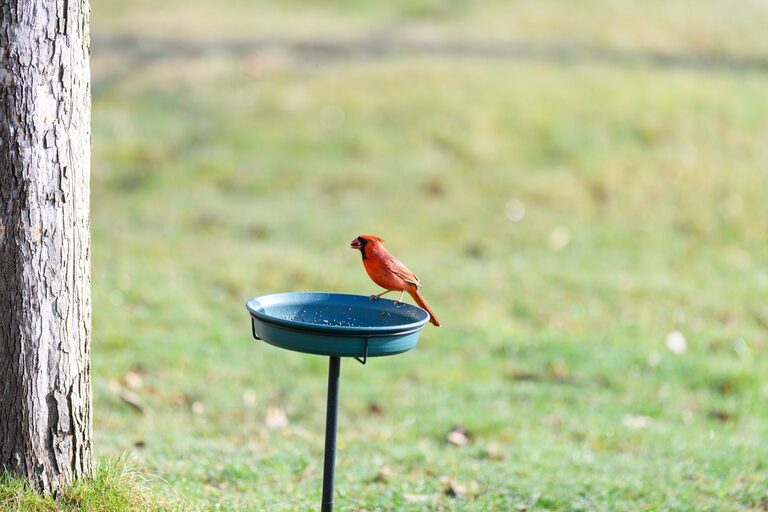
Birdwatching is a relaxing and rewarding hobby that anyone can enjoy right in their own backyard. Whether you live in the city, suburbs, or countryside, attracting and observing birds can provide a deeper connection to nature and offer moments of peaceful enjoyment. If you’re new to birdwatching, this guide will help you get started with simple steps to transform your outdoor space into a bird-friendly haven.
Why Start Backyard Birdwatching?
Birdwatching doesn’t require expensive gear or special training. It’s a flexible activity you can do at any time, even just for a few minutes each day. Watching birds can reduce stress and boost your mood by connecting you with the natural world. Plus, it’s a great way to learn about different bird species and their behaviors.
Getting Ready: What You Need to Begin
You don’t need much to start birdwatching, but a few basic items can enhance the experience:
– Binoculars: A modest pair with 7x to 10x magnification is ideal for beginners.
– A Bird Guidebook or App: Helps you identify birds by their colors, shapes, and calls.
– Notebook or Journal: To record your sightings and notes.
– Bird Feeder and Seed: Attracts a variety of birds closer to your viewing area.
Remember, the best gear is the one you’ll use frequently.
Creating a Bird-Friendly Backyard
1. Provide Food Sources
Attracting birds starts with offering food. Different birds prefer different types of seeds and treats:
– Black-oil sunflower seeds attract many common backyard birds.
– Nyjer (thistle) seeds are favorite for finches.
– Suet cakes provide high-energy food, especially in cold weather.
– Fresh fruits like apple slices or berries can attract species like orioles and woodpeckers.
Tip: Place feeders in safe spots where cats or other predators can’t easily reach.
2. Supply Fresh Water
Birds need water for drinking and bathing. You can add a birdbath or shallow water dish in your yard. Keep the water clean by changing it regularly to prevent the spread of disease.
3. Offer Shelter and Nesting Spots
Birds feel safer with places to hide and rest. Planting native shrubs, trees, and flowering plants provides natural cover. You can also install birdhouses or nesting boxes suited to local species.
4. Create a Natural Environment
Avoid pesticides and chemicals in your garden. Native plants support insects, which are an important food source for birds, especially during breeding season.
Tips for Observing and Identifying Birds
Be Patient and Quiet
Birds are sensitive to noise and movement. Find a comfortable spot and stay still. Observing quietly increases your chances of seeing a variety of birds.
Learn Bird Calls and Songs
Many birds announce their presence with distinctive calls. Listening carefully can help you identify species even before seeing them.
Use Your Guidebook or App
Compare what you see with images and descriptions. Note colors, size, beak shape, and behaviors, which are useful clues for identification.
Keep a Birdwatching Journal
Write down the date, time, species, numbers, and any interesting behaviors. Over time, you’ll notice patterns and seasonal changes.
Common Backyard Birds to Look For
Depending on your region, you might see:
– Sparrows
– Cardinals
– Blue Jays
– Chickadees
– Finches
– Woodpeckers
– Robins
– Wrens
Each species adds a unique charm and story to your birdwatching experience.
Safety and Respect for Wildlife
– Avoid disturbing nests or handling birds.
– Use feeders responsibly by cleaning them regularly.
– Keep cats indoors or supervise pets to protect visiting birds.
– Respect local wildlife regulations and guidelines.
Expanding Your Birdwatching Hobby
Once you’ve established your backyard routine, consider joining local birdwatching groups or online communities. Sharing your observations can lead to new friendships and greater knowledge.
You might also explore bird photography or participate in citizen science projects, contributing valuable data to bird conservation efforts.
Final Thoughts
Starting backyard birdwatching is simple and accessible. By providing food, water, and shelter—and practicing patience—you create a welcoming environment for birds and yourself. Enjoy the peaceful moments, colorful visitors, and surprising discoveries right outside your door.
Happy birdwatching!