Stretching is an easy and accessible way to improve your overall health, flexibility, and posture. You don’t need any special equipment or a gym membership to begin. Whether you spend long hours at a desk, are recovering from minor soreness, or just want to add gentle movement to your routine, stretching at home can be a great choice.
In this beginner’s guide, we’ll cover why stretching matters, how to get started safely, and some simple stretches you can do anytime.
Why Stretching Matters
Stretching helps to:
– Increase flexibility and range of motion
– Reduce muscle stiffness and soreness
– Improve circulation and blood flow
– Enhance posture and balance
– Relieve stress and promote relaxation
When muscles are tight, they can cause discomfort and limit your ability to move freely. Regular stretching helps keep muscles and joints mobile, which is especially important if you have a sedentary lifestyle.
Getting Started: Tips for Safe and Effective Stretching
Before beginning, keep these key points in mind:
Warm Up First
Stretching cold muscles can lead to injury. Aim to warm up with light cardio such as walking in place, marching, or gentle arm circles for 3–5 minutes.
Stretch Gently and Slowly
Ease into stretches without bouncing or forcing your body. A slow and steady approach helps prevent muscle strains.
Breathe Naturally
Don’t hold your breath. Breathe deeply and steadily to help your muscles relax.
Hold Each Stretch
Aim to hold each stretch for 15–30 seconds. Repeat 2–3 times on each side if applicable.
Listen to Your Body
Stretching should feel like a gentle pull, not sharp or painful. If you experience discomfort, ease up or stop.
Basic Stretching Routine for Beginners
Here is a simple routine that targets major muscle groups. Perform this routine 3–4 times a week, adjusting based on your personal comfort and needs.
1. Neck Stretch
– Sit or stand tall.
– Slowly tilt your head toward your right shoulder until you feel a gentle stretch on the left side of your neck.
– Hold, then switch sides.
2. Shoulder Stretch
– Bring your right arm across your body at chest height.
– Use your left hand to gently pull your right arm closer.
– Hold, then switch arms.
3. Triceps Stretch
– Raise your right arm overhead and bend the elbow so your hand touches the middle of your back.
– Use your left hand to gently push your right elbow down.
– Hold, then switch arms.
4. Chest Stretch
– Stand in an open doorway.
– Place your hands and forearms on either side of the frame at shoulder height.
– Step one foot forward to feel a stretch in your chest and shoulders.
5. Seated Forward Bend
– Sit on the floor with legs extended straight in front.
– Hinge at your hips and reach your hands toward your feet, keeping your back as straight as possible.
– Hold the stretch without bouncing.
6. Butterfly Stretch
– Sit with the soles of your feet together and knees dropping to the sides.
– Hold your feet with your hands and gently press your knees toward the floor.
7. Standing Quadriceps Stretch
– Stand tall and hold onto a chair or wall for balance.
– Bend your right knee and grab your ankle with your right hand.
– Pull your heel gently toward your buttocks.
– Hold, then switch legs.
8. Calf Stretch
– Stand facing a wall with your hands on the wall for support.
– Step one leg back and press the heel toward the floor.
– Keep your back leg straight and bend the front knee slightly.
– Hold, then switch legs.
Tips for Making Stretching a Habit
Consistency is key when it comes to stretching. Here’s how to stay motivated:
– Schedule a time: Stretch at the same time every day or after your workout.
– Use reminders: Set alarms or sticky notes as gentle nudges.
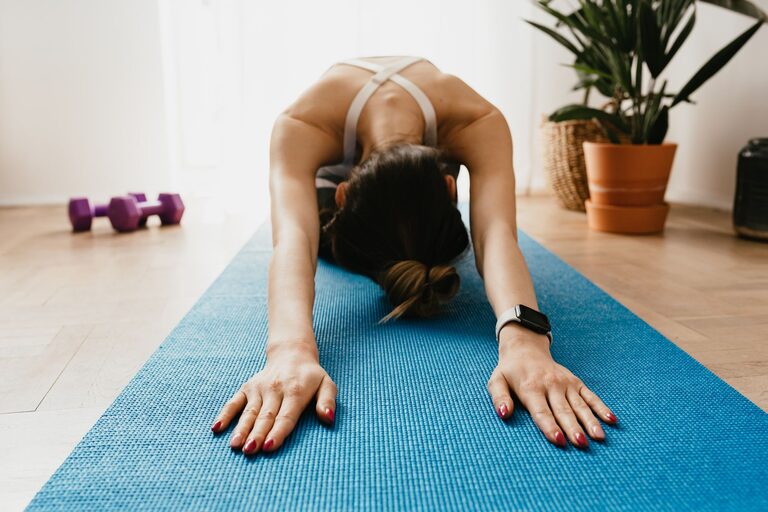
– Create a comfortable space: A quiet area with a mat or rug can make stretching inviting.
– Track your progress: Notice how your flexibility improves over weeks.
– Mix it up: Try different stretches or include yoga poses for variety.
When to Be Cautious
If you have any chronic conditions, recent injuries, or pain that worsens with movement, consult a healthcare professional before starting a new stretching routine. Always prioritize safety and listen to your body.
Final Thoughts
Stretching at home is a simple and effective way to nurture your body and mind. With just a few minutes each day, you can improve your flexibility, reduce tension, and feel more relaxed. Start slow, be consistent, and enjoy the benefits of this easy addition to your wellness routine!