
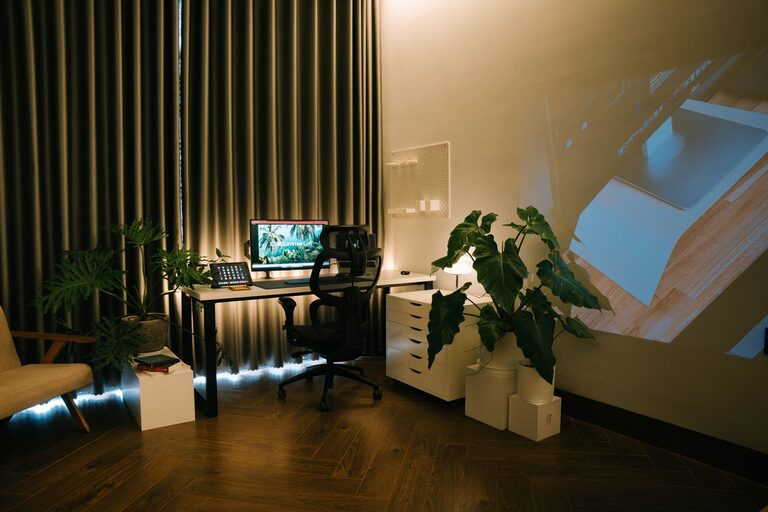
Creating a relaxing home workspace is essential for maintaining focus, reducing stress, and boosting productivity. Whether you work remotely full-time or occasionally need a quiet spot to tackle tasks, a thoughtfully designed workspace can make all the difference. In this post, we’ll explore easy and effective ways to transform your home office into a tranquil haven that promotes both comfort and efficiency.
Why a Relaxing Workspace Matters
When your work environment feels chaotic or uncomfortable, it can affect your concentration and overall well-being. Stressful surroundings may lead to fatigue and burnout, making it harder to complete tasks on time. On the other hand, a calming workspace helps you stay focused, feel more motivated, and enjoy your workday.
Choosing the Right Location
Selecting the ideal spot in your home is the first step toward a relaxing workspace.
– Quiet and Private: Find a space away from high-traffic areas to minimize noise and distractions.
– Natural Light: Position your desk near windows to take advantage of natural light, which can improve mood and energy.
– Comfortable Temperature: Choose a spot where temperature can be easily controlled to maintain comfort during long work hours.
Declutter and Organize
A cluttered desk can lead to a cluttered mind. Keeping your workspace tidy helps create a peaceful atmosphere.
Tips for Organizing Your Workspace
– Minimal Essentials: Keep only the tools and materials you need within reach.
– Storage Solutions: Use shelves, drawers, or sorting trays to store supplies neatly.
– Cable Management: Arrange cords with clips or sleeves to avoid tangling and mess.
Select Comfortable and Supportive Furniture
Ergonomic furniture plays a crucial role in your comfort and relaxation.
– Ergonomic Chair: Choose a chair with lumbar support, adjustable height, and comfortable cushioning.
– Proper Desk Height: Your desk should allow your elbows to rest at a 90-degree angle.
– Footrest: Consider a footrest if your feet don’t comfortably reach the floor.
Soothing Colors and Decor
Colors impact your mood and productivity. Opt for calming hues and simple décor to create a peaceful ambiance.
– Color Palette: Soft blues, greens, or neutral tones work well for relaxation.
– Plants: Adding greenery can freshen the air and create a calming environment.
– Personal Touches: Include a few personal items like photos or artwork that inspire you without causing clutter.
Lighting Matters
Proper lighting reduces eye strain and sets the right mood.
– Natural Light First: Whenever possible, rely on sunlight.
– Task Lighting: Use adjustable desk lamps for focused work.
– Avoid Harsh Lighting: Choose bulbs with soft, warm light rather than bright, harsh fluorescents.
Incorporate Relaxation Elements
Adding elements specifically aimed at relaxation can improve your mental well-being during work.
– Aromatherapy: Essential oils or scented candles with lavender or eucalyptus can help reduce stress.
– Sound: Play soft background music or nature sounds to build a serene work atmosphere.
– Break Area: If space allows, create a small nook with a comfy chair or cushion for short breaks and stretching.
Maintain Healthy Habits
Your workspace setup supports your habits, but you also need to practice healthy routines.
– Regular Breaks: Follow techniques like the Pomodoro method (25 minutes work, 5 minutes break).
– Stretching: Take a few minutes to stretch or practice deep breathing.
– Hydration: Keep water nearby to stay hydrated throughout the day.
Technology Setup for Ease
An efficient and simple technology setup can reduce frustration.
– Wireless Devices: Use wireless keyboards or mice to minimize clutter.
– Monitor Positioning: Place your monitor at eye level to avoid neck strain.
– Reliable Internet: Ensure you have a stable internet connection to prevent interruptions.
Personalize Without Overcrowding
While personalization makes the space uniquely yours, balance is key.
– Keep decorations simple and meaningful.
– Avoid too many items that distract or occupy your desk.
– Rotate decorative items seasonally to keep the environment fresh.
Final Thoughts
Designing a relaxing home workspace doesn’t require major renovations or expensive furniture. Small, thoughtful adjustments tailored to your needs can foster a calm and productive environment. By choosing the right location, keeping an organized space, selecting comfortable furniture, and incorporating soothing elements, you’ll create an area that supports your work and well-being.
Start today by making one or two changes, and gradually build the workspace that helps you thrive from home. Remember, comfort and clarity go hand in hand when it comes to doing your best work.